24 June 2026
Digital Invitation Etiquette in 2026: The Modern Rules Every Host Should Know
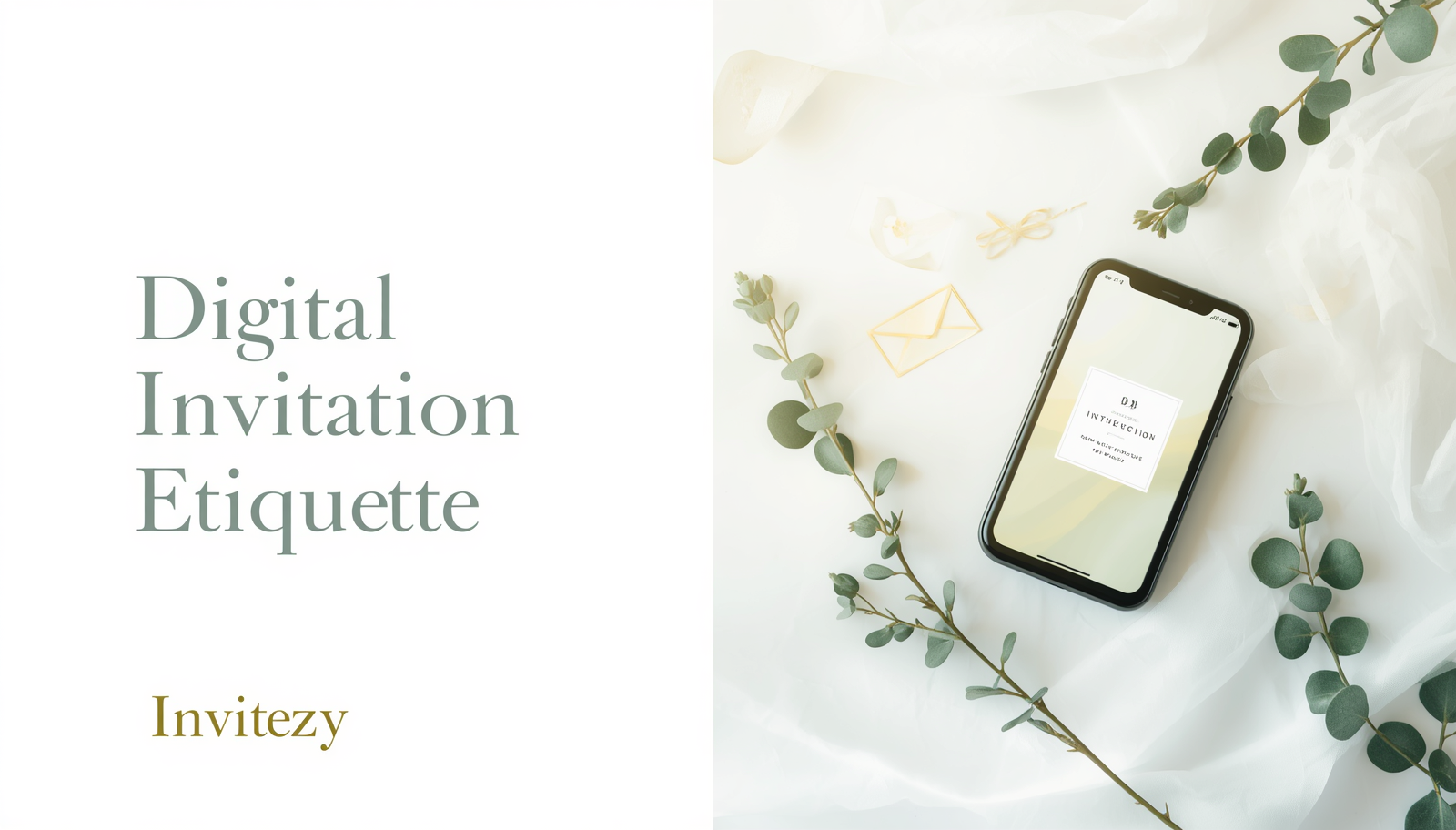
Sending a digital invitation used to feel like a shortcut — a quick way to skip the post office. In 2026, it's the standard. Luxury weddings, milestone birthdays, baby showers, and corporate galas alike are being announced through beautifully designed online invites, and guests now expect to tap a link rather than fish a card out of the mailbox.
But going digital didn't make etiquette disappear. It moved it. The old rules about timing, tone, and respecting your guests still apply — they just live on a screen now. And because a digital invite, an RSVP, and a gift registry can finally exist in the same place, getting the etiquette right has never been easier or more important.
Here's everything you need to know about inviting people the modern, gracious way.
Why Etiquette Still Matters When the Invite Is Digital
Your event doesn't begin when guests arrive. It begins the moment they open your invitation. That first impression sets the emotional tone — if the invite feels rushed, unclear, or impersonal, people quietly assume the event will be too.
Etiquette is really just a system for making guests feel respected and informed. A well-mannered invitation answers their questions before they have to ask, makes responding effortless, and signals how much the occasion matters to you. None of that changes because the medium is a phone screen instead of cardstock. If anything, the stakes are higher, because your invitation now competes with texts, news alerts, and a hundred other notifications for a moment of genuine attention.
Rule 1: Send It at the Right Time
Timing is the foundation of good invitation etiquette, and digital delivery hasn't shortened the runway your guests need to plan.
For weddings, send save-the-dates six to eight months ahead for local celebrations, and eight to twelve months ahead for destination events. Formal invitations should follow roughly eight weeks before the wedding, and a little earlier for guests who'll be traveling. For showers, milestone birthdays, and dinners, three to six weeks is the gracious window. Corporate events and galas generally need four to six weeks so professionals can clear their calendars.
The mistake to avoid is sending too late. A digital invite arrives instantly, which tempts hosts into firing one off a week before the event. Speed of delivery isn't the same as adequate notice. Give people enough time to say yes and to actually show up.
Rule 2: Include Everything a Guest Needs — Nothing They Don't
A guest should never have to text you asking, "Wait, what time does it start again?" A complete invitation answers every practical question on first read: who is hosting, what the occasion is, the date and start time, the location with a map, the dress code or anything to bring, an RSVP method with a clear deadline, and a way to reach the host.
At the same time, restraint is its own form of courtesy. Cramming every detail into one screen creates clutter and buries the information that matters. Modern invitation design leans on generous white space and clear hierarchy — names and dates given room to breathe, supporting details placed where they're easy to find rather than competing for attention. Clean and confident beats busy and anxious every time.
This is where keeping everything on one platform genuinely helps. With Invitezy, the invitation, the full event details, the RSVP form, and the gift registry all live behind a single link. Guests don't bounce between a design site, a separate RSVP tool, and yet another registry page — they open one invite and find everything waiting for them. Fewer tabs, fewer questions, fewer guests who give up halfway through.
Rule 3: Match the Wording to the Occasion
Tone is etiquette too. A black-tie wedding and a backyard birthday call for completely different voices, and your wording should make the formality of the event obvious before guests even reach the dress code.
For formal events, use full names, complete sentences, and traditional phrasing — "request the pleasure of your company." For relaxed gatherings, warmth and brevity win; a friendly, conversational line does more work than stiff formality ever could. Whatever register you choose, stay consistent across the whole invitation. Mixing playful emoji with formal calligraphy sends mixed signals about what kind of event guests are walking into.
One modern courtesy worth adopting: write for the screen. Most guests will read your invitation on a phone, so keep lines short, make the key details scannable, and make sure nothing requires zooming in to read.
Rule 4: Make the RSVP Effortless — Then Respect the Responses
The single biggest advantage of a digital invitation is the frictionless RSVP. Tapping "yes" should take a guest about three seconds, with no account to create and no app to download. The easier you make it, the higher your response rate, and the less time you spend chasing people.
But RSVP etiquette runs both ways. Always include a clear deadline — vague invitations get vague responses. Capture the details you'll actually need, like dietary preferences or a plus-one count, in the same step rather than in a flurry of follow-up texts. And once responses come in, manage them gracefully: a guest who took the time to reply deserves a host who's keeping track.
A connected platform makes this painless. Because Invitezy ties the RSVP directly to the invitation, your guest list updates in real time as people respond — no spreadsheet to maintain, no cross-referencing three different inboxes. You always know exactly who's coming, who hasn't replied, and who needs a gentle nudge.
Rule 5: Follow Up Without Nagging
People are busy, and even guests who fully intend to come will forget to respond. Following up isn't rude — it's expected. The etiquette is in how you do it.
Send a single, friendly reminder a few days after your RSVP deadline, framed as helpfulness rather than pressure: a quick note that you're finalizing numbers and would love to know if they can make it. Avoid guilt-tripping, and never send a barrage of messages. One warm reminder respects both your need for a final count and your guest's right to a little grace.
When your invitation and guest list live in the same system, you can see at a glance exactly who hasn't responded and reach only those people — rather than blasting a reminder to everyone, including the friends who already said yes.
Rule 6: Handle Gifts and Registries Gracefully
Gift etiquette is the most delicate part of any invitation, and digital tools have made the old awkwardness largely avoidable. The timeless rule still holds: never print gift expectations on the invitation itself. Instead, make the information available for guests who go looking for it.
Modern registries have also loosened up. Couples and hosts now mix traditional items with experiences, group gifts, and cash funds for honeymoons or home projects, and guests generally appreciate the clarity of knowing what's genuinely wanted. The graceful approach is to offer options and let guests choose at their own comfort level.
This is exactly the kind of moment where an all-in-one platform earns its keep. With Invitezy, your registry or wishlist sits quietly inside the same invitation guests already opened — one tap from the RSVP, no separate site to hunt down, no link to copy and paste into a group chat. Guests browse, choose, and contribute without ever leaving your invite, which keeps the whole gifting experience feeling thoughtful rather than transactional.
Rule 7: Don't Forget the Thank-You
Etiquette doesn't end when the event does. Thanking guests for attending and for their gifts remains non-negotiable, and the digital era has simply added speed to the equation. A prompt, personal thank-you — ideally within two weeks — closes the loop with the same warmth your invitation opened with.
Because your guest list and registry are already organized in one place, you'll know exactly who came and who gave what, which makes writing genuine, specific thank-yous far less of a chore.
The Modern Etiquette Mindset
If there's a single principle behind all of these rules, it's this: good invitation etiquette is about reducing friction and respecting your guests' time and attention. Send early. Be clear. Make responding easy. Follow up kindly. Handle gifts with grace. Say thank you.
The technology of 2026 makes every one of those things simpler than it has ever been — but only if your tools work together. When the invitation, the RSVP, and the registry are scattered across three different platforms, etiquette becomes a juggling act, and guests feel the seams. When they live in one connected experience, gracious hosting becomes the path of least resistance. That's the quiet advantage of designing and sending through a single platform like Invitezy: it doesn't just make the invite look beautiful, it makes doing right by your guests effortless.
Frequently Asked Questions
Is it rude to send a digital invitation for a formal event like a wedding? Not anymore. Digital invitations are now widely accepted across all levels of formality, including luxury and black-tie weddings. What matters is the quality and thoughtfulness of the invitation, not the medium. A well-designed digital invite with clear details and an easy RSVP reads as gracious; a sloppy paper one does not.
How far in advance should I send a digital invitation? It depends on the occasion. Weddings call for save-the-dates six to twelve months ahead and formal invites around eight weeks before. Showers, birthdays, and dinners are best sent three to six weeks ahead. Corporate events generally need four to six weeks. Sending instantly is a feature of digital invites — but giving guests enough notice is still the rule.
Where do I put gift or registry information on a digital invitation? Never on the invitation face itself. The modern approach is to keep registry details available for guests who look for them. On an all-in-one platform like Invitezy, your registry lives one tap away inside the same invitation, so guests find it naturally without you ever having to ask for gifts directly.
How do I follow up with guests who haven't RSVP'd without being pushy? Send one friendly reminder a few days after your deadline, framed around finalizing numbers rather than pressuring them. When your guest list is tied to your invitation, you can message only the people who haven't replied — which keeps the nudge targeted and considerate.
Do I still need to send thank-you notes if everything was digital? Yes. Thank-yous remain essential etiquette, ideally within two weeks of the event. The upside of a connected platform is that your guest list and gift records are already organized, making it easy to write personal, specific notes to everyone who attended or contributed.